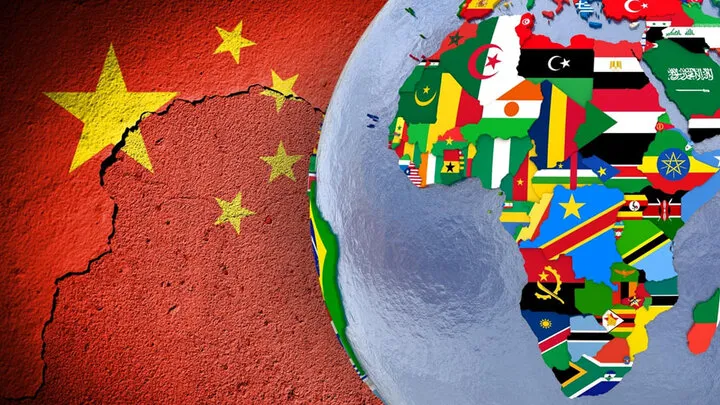
China’s annual investments in Africa have surpassed $250 billion, far outpacing Turkey, which hit a record $45 billion in 2023, according to a new report published this December. The study, titled “Chinese-Turkish Rivalries and Presence on the African Continent” and conducted by Asia Focus, highlights the growing economic competition between the two nations, particularly in Africa’s extractive industries.
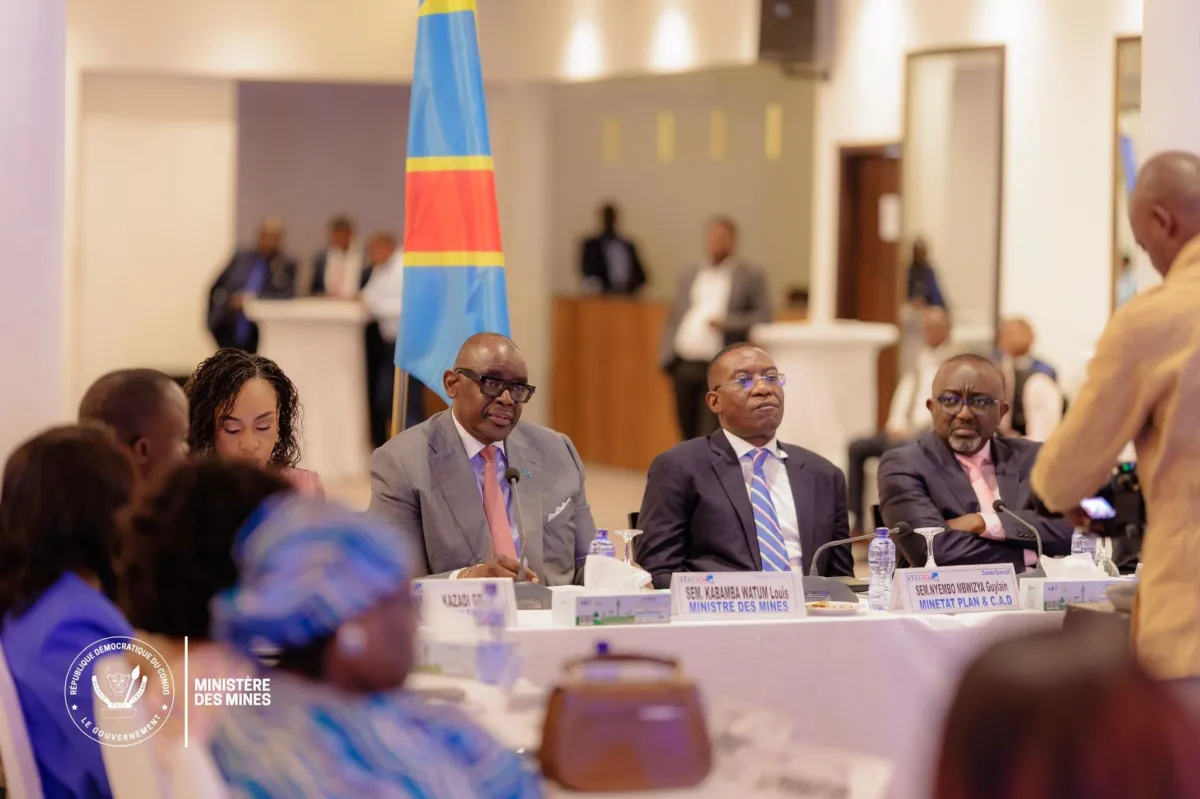
Both countries are investing heavily in infrastructure development, focusing on projects such as ports, railways, roads, energy, and natural resource extraction. China’s footprint is evident in countries like the Democratic Republic of Congo (DRC), through initiatives like the Sino-Congolese cooperation agreement. Turkey, on the other hand, has gained visibility through high-profile projects such as the construction of the Financial Center in Kinshasa, the Kinshasa Arena, and other projects.
Race for Resources in Africa
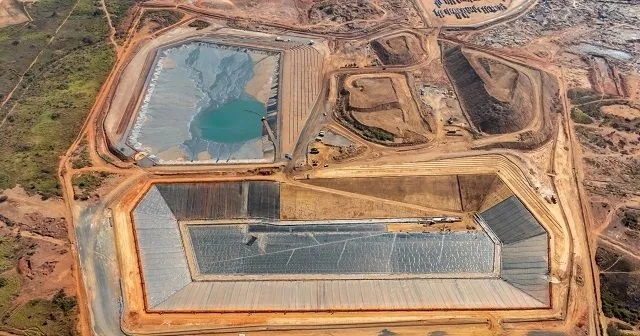
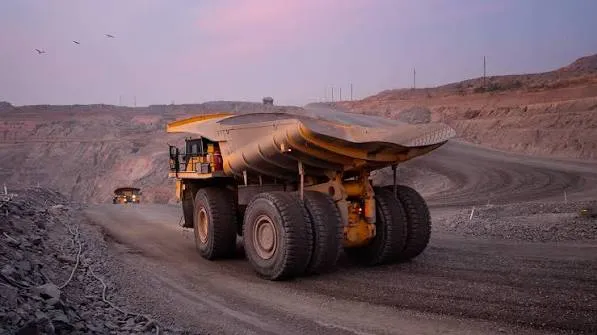
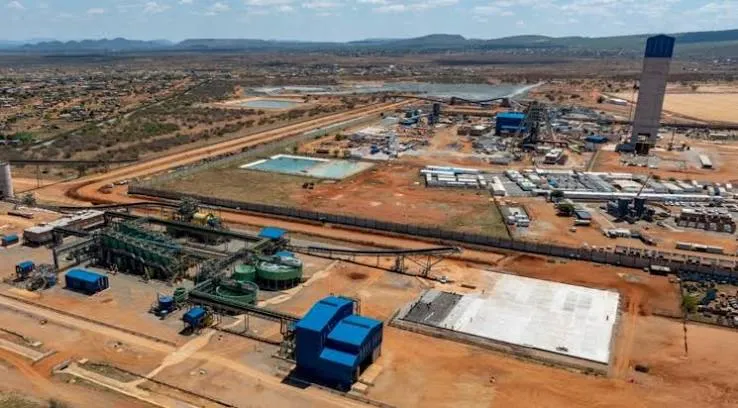
China has never hidden its ambitions to dominate Africa’s extractive sector. From its initial forays into the continent, Beijing made its interest in mining resources clear. Turkey, by contrast, initially positioned itself as an alternative to resource exploitation. In 2013, during a visit to Gabon, Turkey’s then-Prime Minister (now President) Recep Tayyip Erdoğan declared, “Africa belongs to Africans. We are not here for gold.”
Fast-forward a decade, and Turkey has become a formidable competitor in Africa’s mining sector.
Turkish firms like Lydia Madencilik, owned by businessman Ahmet Çalık, and Miller Holding have established operations in the DRC, extracting gold and copper. Since 2017, Avesoro, a subsidiary of Turkey’s MAPA Group, has controlled the Youga gold mine in Burkina Faso. In Mali, despite recent tensions between Sahelian juntas and foreign mining companies, Turkish miners remain active, as they do in Niger.
Competing Strategies in a Shifting Landscape
Both China and Turkey have positioned themselves as alternatives to Western powers in Africa, leveraging their criticism of colonial and neo-colonial influences. Recent coups in Sahelian countries, including Niger, have further fueled anti-Western sentiment, creating openings for non-Western players. For example, as French uranium mining company Orano faces backlash in Niger, both China and Turkey are poised to expand their influence.
China’s strategy is defined by massive financial investments and a focus on long-term, structural projects. Turkey, by contrast, has adopted a more agile and diplomatic approach, cultivating relationships and branding itself as a more flexible partner for African nations.