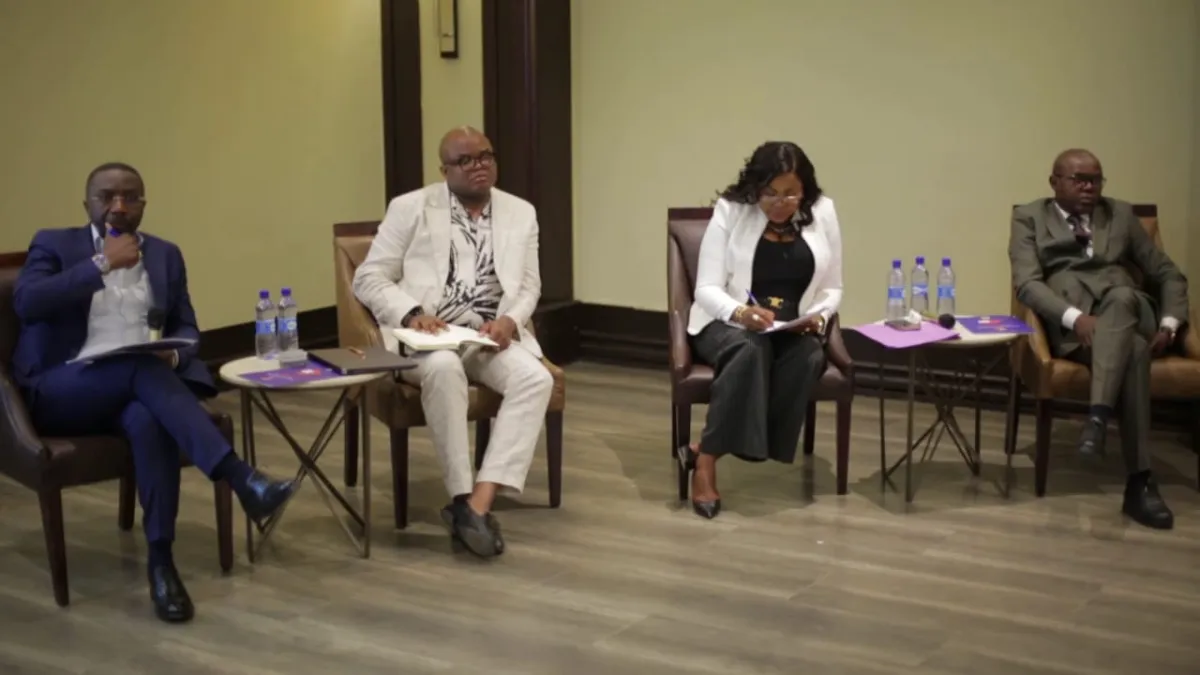
The Congolese Mining Cadastre (CAMI) convened on July 28 to refine the legal instruments by which the state secures economic control over the country’s mines. In a session attended by senior jurists, industry representatives and civil‑society delegates, CAMI’s director‑general, Popol Mabolia Yenga, underscored the necessity of a “free carried interest” of 10% in all new mining concessions and tighter protocols for asset transfers.
“Reappropriation is imperative,” Mr. Yenga said, calling for a rigorous framework that would prevent the sale of state holdings at below‑market prices. He identified three priorities: codifying the state’s carried interest, mandating transparent valuation standards aligned with International Valuation Standards (IVS), and incentivizing downstream processing to capture greater value within the DRC.
Prof. Cim’s Mulungulungu Nachinda, CAMI’s juridical director, elaborated on weaknesses in existing statutes. He proposed amendments to the Mining Code to require independent appraisals before any cession of mineral‑asset interests. “Without clear thresholds and audit mechanisms, the risk of undervaluation persists,” he said, noting recent transfers in Haut‑Katanga where assets changed hands at discounts approaching 30%.
Participants then reviewed technical papers, including one by Philippe Mbuyamba from CAMI’s Rights and Titles Department, which dissected the legal scope of mandatory state cessions and highlighted gaps in enforcement. Madame Tshanda of CAMI’s Litigation Division traced the legal foundations for the state’s 10% carry to a 2018 ministerial decree, while Ricky Katombe Ngoy mapped obstacles to effective Congolese participation, citing a lack of access to affordable equity financing.
Faustin Biringanine of the Mining Fund for Future Generations praised the forum as a means to “anchor mineral wealth in the nation’s collective future,” and Deputy Georges Bokondu warned that half‑crafted legislation serves as “a sieve, not a shield.” An open debate followed, during which civil‑society representatives recommended statutory deadlines for publishing cession agreements and regular audits of valuation reports.
Provincial director Paulin Mawaya hailed Lubumbashi—a hub for nearly 40% of the DRC’s copper output—as a fitting venue for the second Café Juridique, following an inaugural session in Kinshasa. Organizers indicated the third edition is slated for Tanganyika province, where emerging lithium deposits will bring fresh legal challenges.