
DRC
DRC — Tshisekedi Orders Full Audit of Mining Revenues and State Joint Ventures
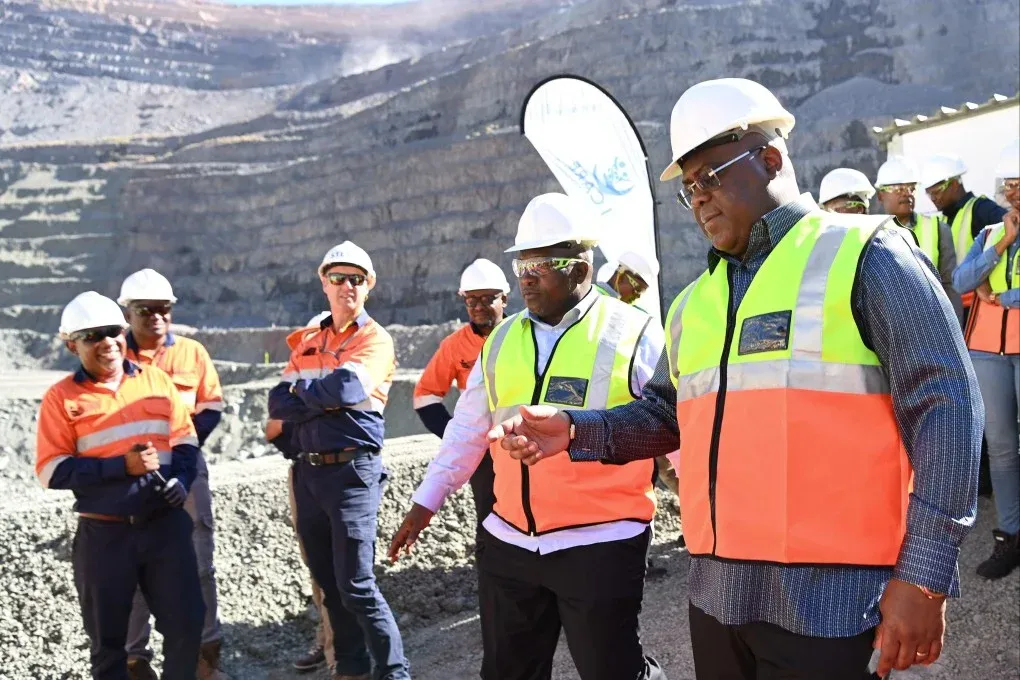
President Félix Tshisekedi instructed the Congolese government on April 25, 2026, following the 87th Council of Ministers meeting, to launch a comprehensive and...
President Félix Tshisekedi instructed the Congolese government on April 25, 2026, following the 87th Council of Ministers meeting, to launch a comprehensive and...
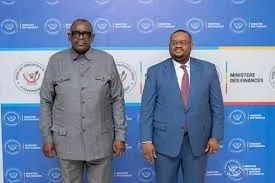
KINSHASA—The Democratic Republic of Congo's three principal revenue agencies collected a combined 4.75 trillion Congolese francs (approximately $211 million) du...
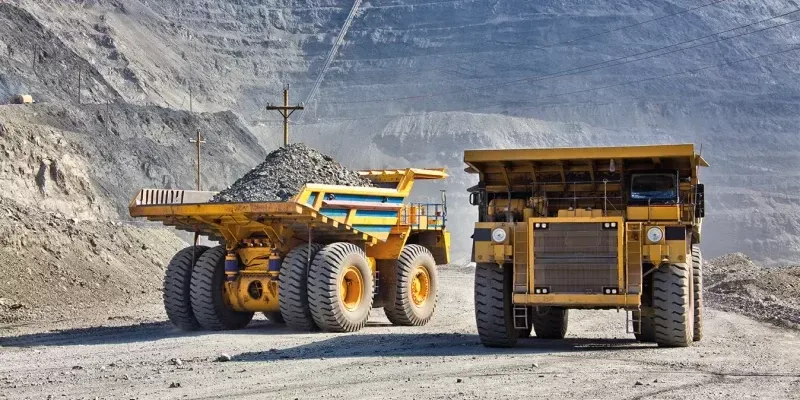
The Democratic Republic of Congo's mineral markets regulator has set April 30 as the deadline for cobalt producers to use their unfilled fourth-quarter 2025 exp...
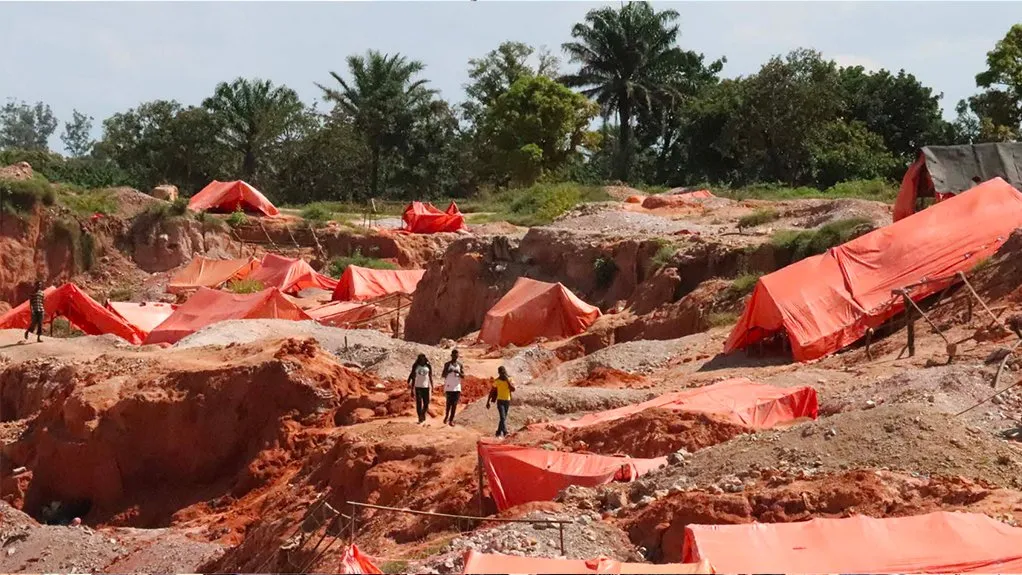
Entreprise Générale du Cobalt (EGC), the Democratic Republic of Congo state-owned entity that holds the exclusive mandate to purchase artisanal cobalt and coppe...
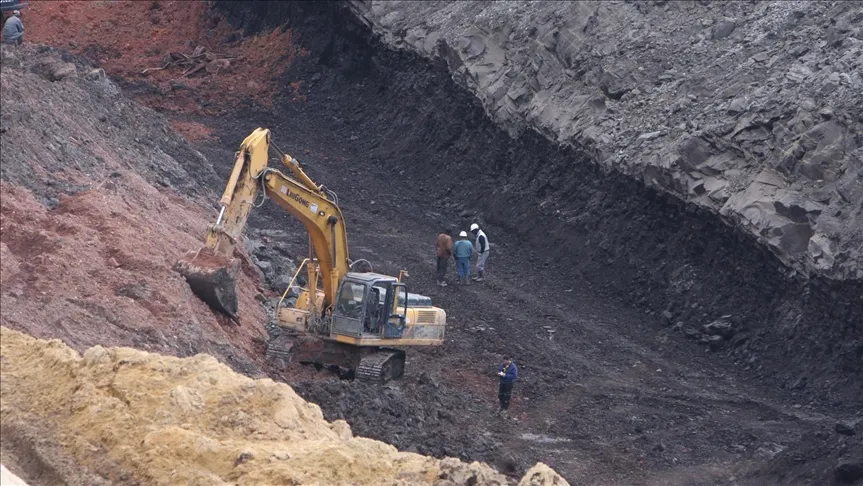
The DRC Mining Code specifies exactly how royalty revenue is distributed once collected. The split is defined in Article 242 and allocates payments across four...
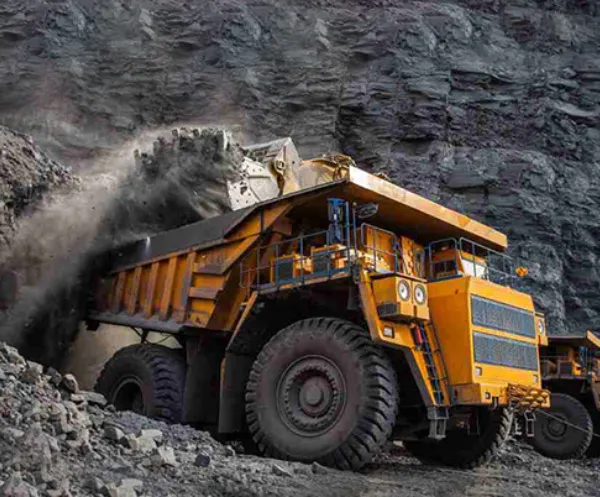
Responsible sourcing of minerals from the DRC means more than compliance with a checklist. Companies that source cobalt, copper, or 3T minerals from Congolese s...
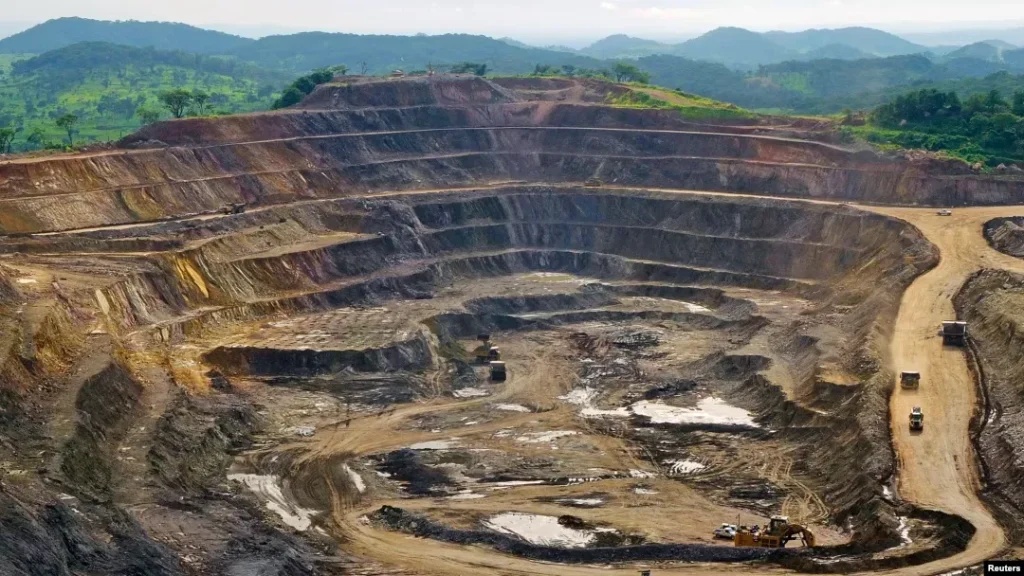
The DRC is important for cobalt because it is the world's largest mined source, accounting for more than 70 percent of global cobalt mine supply. It also holds approximately 46 percent of global cobalt reserves, according to the USGS. No substitutable geography exists at the volumes the global battery industry currently requires.
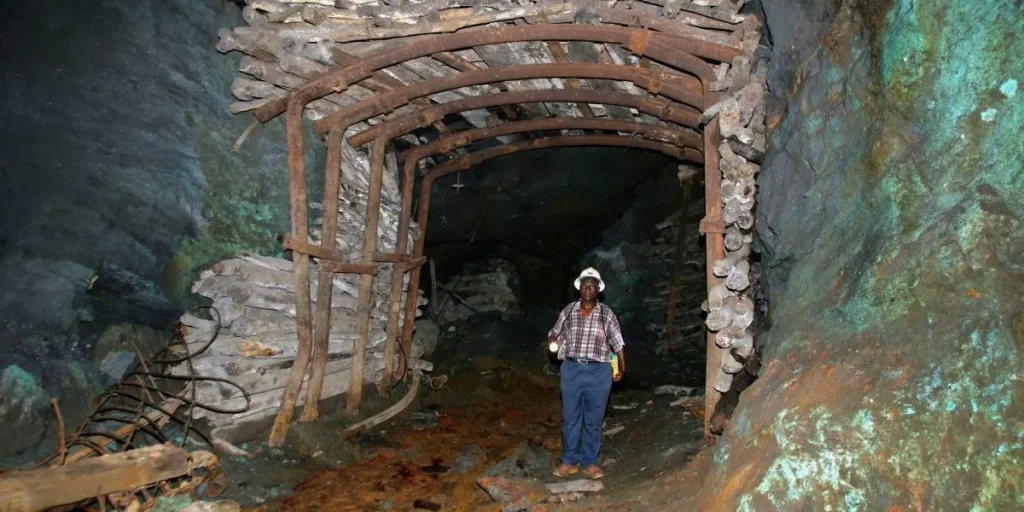
The largest copper mines in Congo are concentrated in the southern Copperbelt — Lualaba and Haut-Katanga provinces — and are operated by a small group of intern...