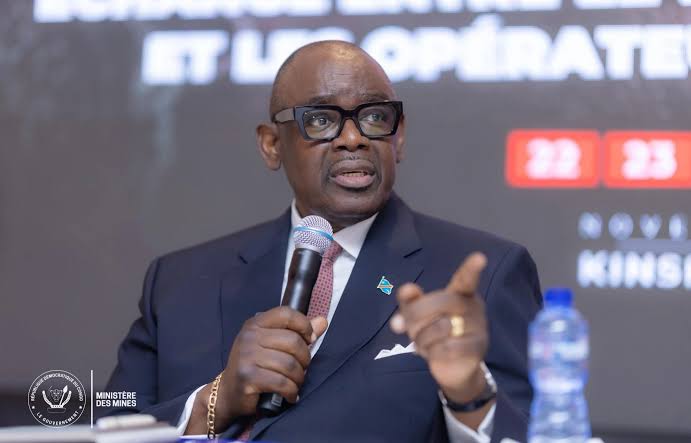
Community development funds in the Democratic Republic of the Congo should be able to cross-check the turnover figures they receive from mining companies against records already held by the tax authority, lawyer Jean-Pierre Okenda said on 24 November at Makutano Mining 2026 in Kinshasa. He called for better data sharing between institutions, saying the bodies that manage the funds have limited power to obtain the information directly from companies.
The cross-check matters because Article 258 bis of the Mining Code requires covered operators to set aside at least 0.3% of annual turnover for local development projects. If the tax authority and the fund record different turnover figures for the same company and year, they can arrive at different amounts due. Establishing what the company actually paid requires a separate check of the fund’s payment records.
The Court of Accounts’ published observations on Ruashi Mining show how auditors made the comparison. The tax authority supplied turnover figures in Congolese francs. The Court converted them into US dollars using the central bank’s annual exchange rates and compared them with the fund’s records. For 2018–21, the tax figures came to about US$1.364 billion, against US$1.339 billion in the fund’s records. The Court recorded a turnover gap of approximately US$24.8 million.
The Ruashi example shows what Okenda’s proposal would mean in practice. Fund managers could compare declarations for the same operator and financial year, using a common currency, before checking the resulting contribution against payments received. That would give them a way to flag a discrepancy when reviewing a company’s contribution.
Sources · Cour des comptes — Ruashi Mining · Code minier