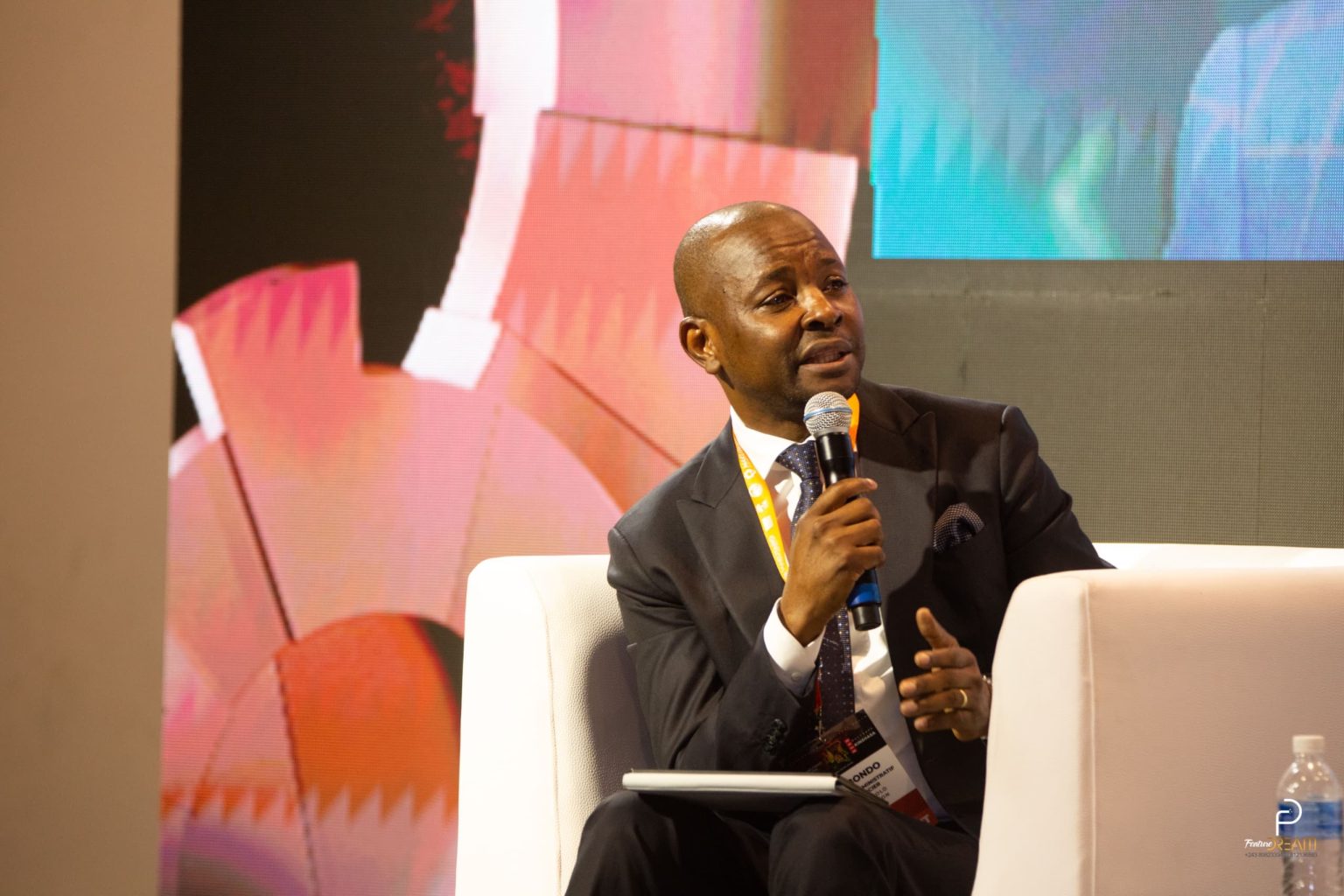
Mining companies can plan around a known tax rate. The harder question is whether the authorities will calculate the tax the same way from one year to the next, Barrick finance executive Roy Bondo said at Makutano Mining 2026 in Kinshasa on 24 November. Asked whether the level of rates or their stability mattered more to investors, he put predictability first.
Bondo said disputes often arise over the tax base, the amount to which the rate is applied. Even when the headline rate stays the same, a change in what the administration includes in that base can alter the amount due. He said Barrick tries to discuss differences with the Congolese authorities before they escalate.
The Barrick executive said he had taken part in negotiations on the DRC’s Mining Code and that the company had accepted the compromise despite reservations. His concern was that subsequent finance laws could change provisions companies had already built into their plans. He compared the practice to changing the rules of a football match at half-time.
Barrick’s exposure to those rules includes Kibali, the gold mine in Haut-Uele it owns with AngloGold Ashanti and state miner SOKIMO. Bondo welcomed the prospect of a ten-year fiscal stability commitment. For a mine planning investment and production over several years, his argument raises a practical question about whether the administration will apply the same rules consistently over that period.
Sources · MINES.CD