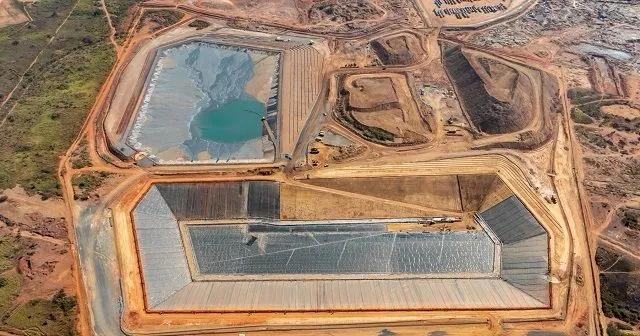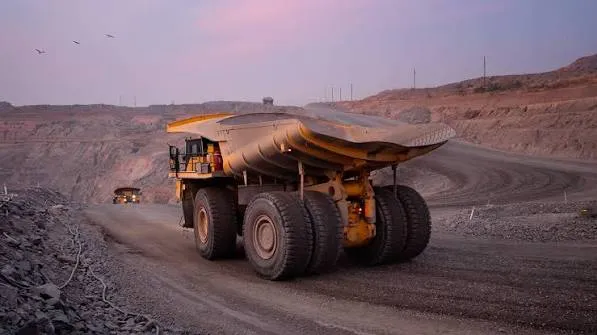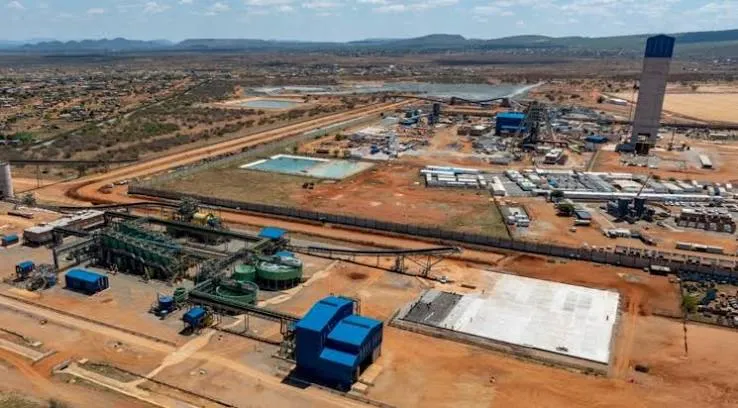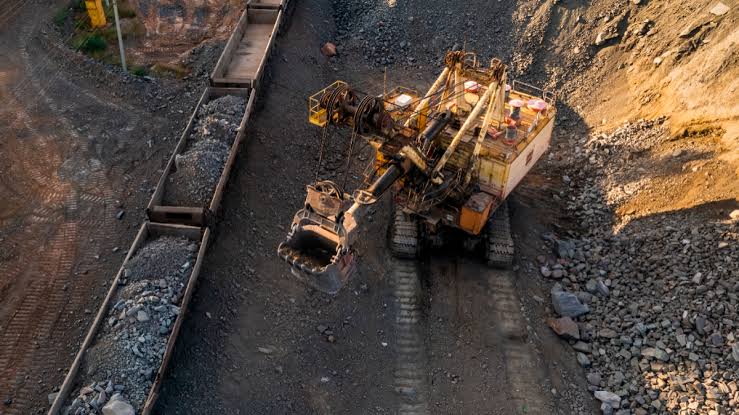
Guinea has cemented its status as a formidable force in the global seaborne iron ore market, dispatching more than 5m tonnes in October to become the world’s third-largest exporter, trailing only the entrenched duopoly of Australia and Brazil.
The October volumes, representing roughly 3 per cent of total global seaborne trade, mark a significant operational milestone for the Simandou mega-project. Commercial shipments from the high-grade asset commenced in December 2025, and the rapid scale-up has swiftly altered the calculus of global supply.
For global steelmakers and commodity traders, the influx of Guinean cargoes offers a critical diversification away from traditional Australasian and South American sources. The high-grade nature of the Simandou ore is heavily sought after as mills seek to optimise blast furnace efficiency, potentially exerting downward pressure on benchmark pricing and lump-fines premiums.
The production ramp-up also reshapes the competitive landscape for major mining houses, introducing a new low-cost marginal supplier capable of influencing the seaborne balance of trade. Capital markets are now scrutinising the project’s unit costs and free cash flow generation, as sustained export volumes from Conakry could structurally compress margins for higher-cost global producers.